
 By
By When we hear “endangered animals,” we usually think of tigers, pandas, or elephants. But fish can be in serious trouble too. Overfishing, pollution, habitat destruction, and climate change are putting many fish species at risk.
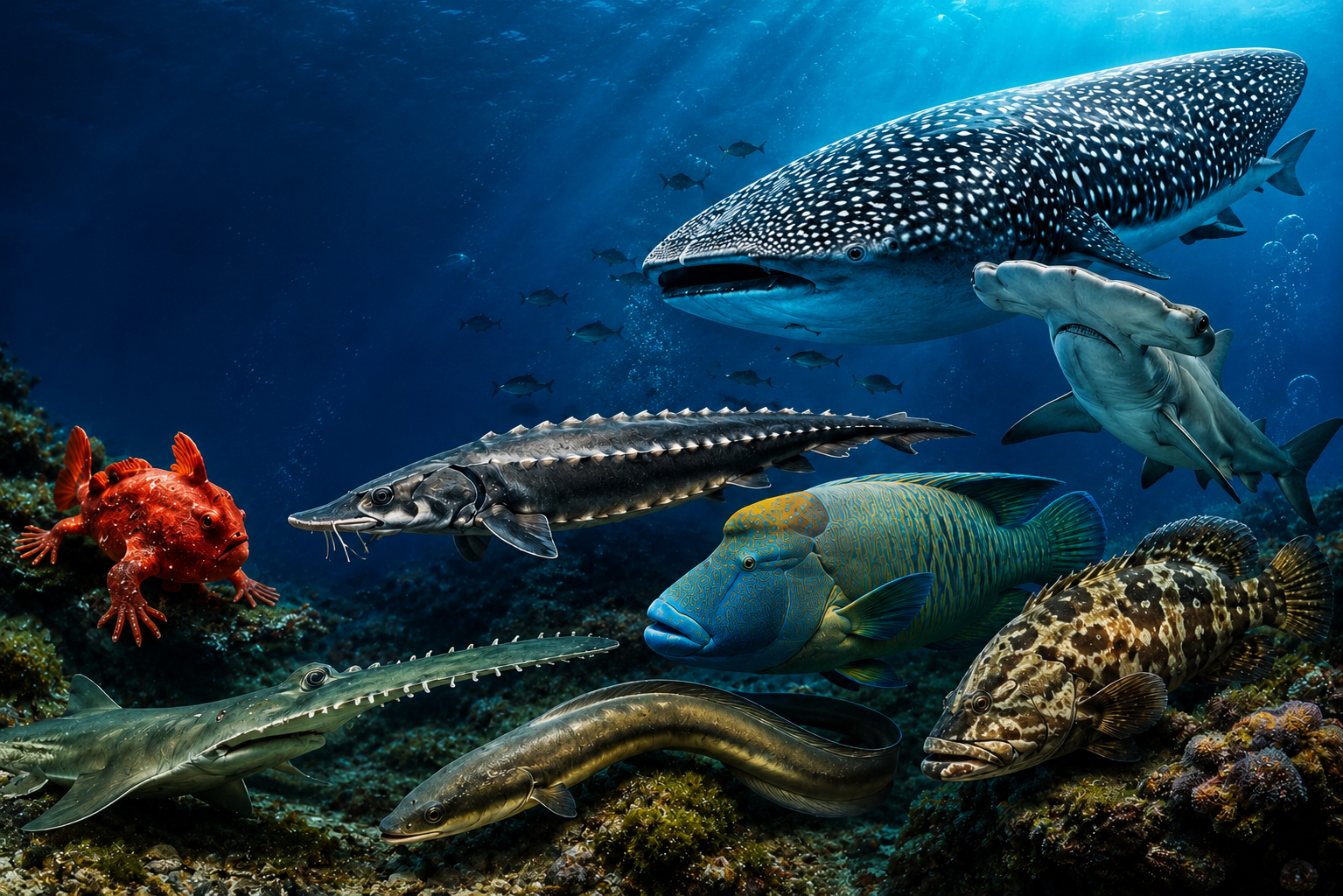
Here are 9 endangered or highly threatened fish species you should know about.
1. Whale Shark 🦈
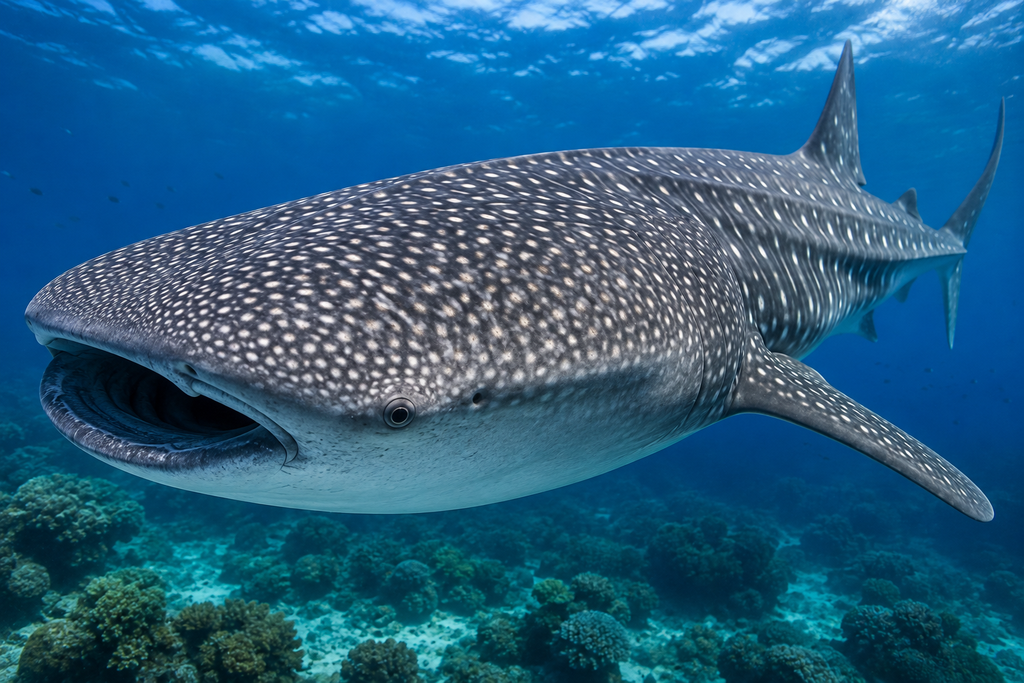
The whale shark is the world’s biggest fish, but don’t let its massive size fool you. This gentle giant mainly feeds on plankton, tiny fish, and other small organisms by filtering food from the water.
Whale sharks can travel huge distances through warm tropical and subtropical oceans. Unfortunately, they face threats from fishing, accidental capture, boat strikes, and habitat changes. Their slow growth and reproduction also make it difficult for populations to recover quickly.
Conservation status: Vulnerable
2. European Eel 🌊
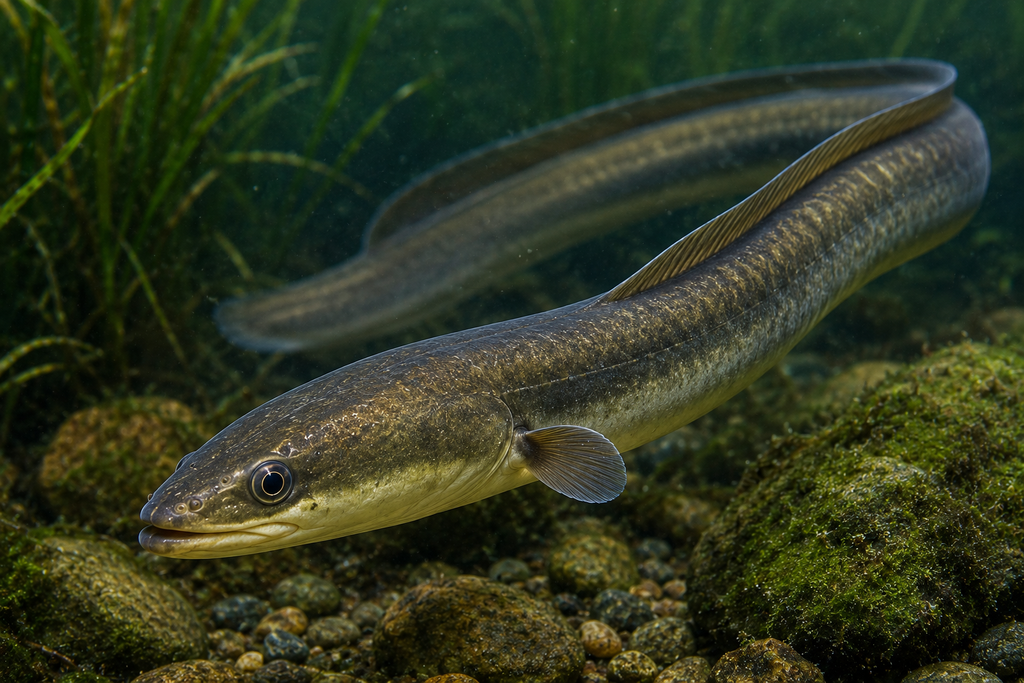
The European eel has one seriously crazy life cycle. It can travel thousands of miles between freshwater rivers and the ocean during different stages of its life.
These eels spend much of their lives in freshwater before returning to the ocean to reproduce. Their populations have dropped dramatically because of pollution, fishing, dams, habitat loss, parasites, and barriers that block their migration routes.
Because their life cycle depends on both freshwater and marine environments, protecting only one habitat isn’t enough.
Conservation status: Critically Endangered
3. Scalloped Hammerhead Shark 🦈
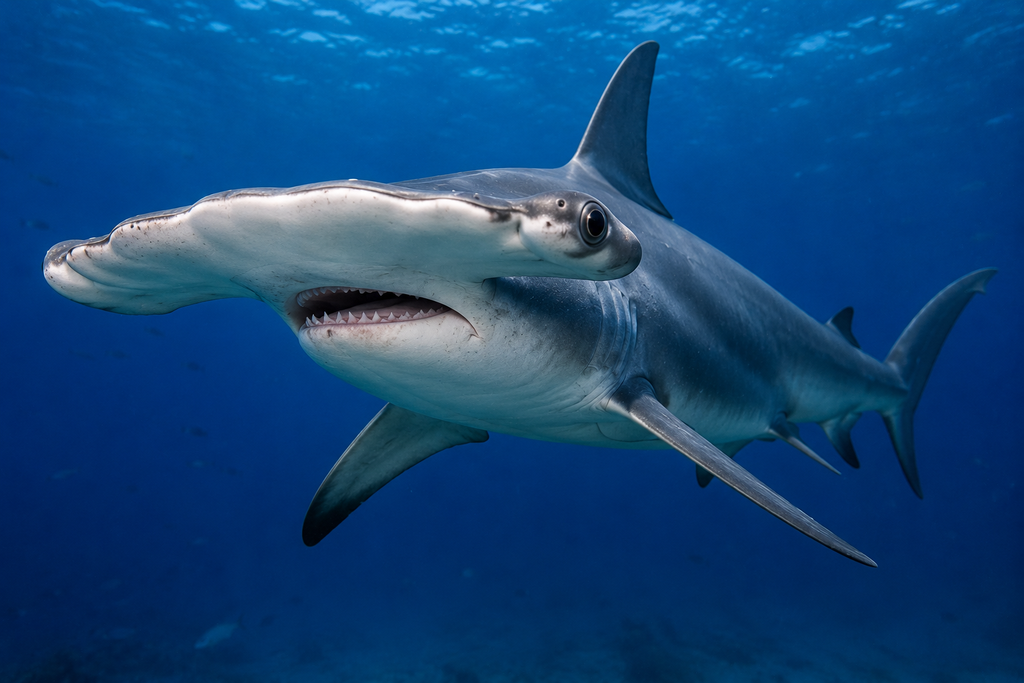
That hammer shaped head makes the scalloped hammerhead instantly recognizable. But there’s more to this unusual shark than its appearance. Its wide head may help it detect prey and navigate its environment.
Unfortunately, heavy fishing pressure has seriously affected populations in many areas. Hammerhead sharks are also targeted for their fins, and they reproduce relatively slowly compared with many smaller fish.
That means when their numbers drop, rebuilding the population can take a long time.
Conservation status: Critically Endangered
4. Beluga Sturgeon 🐟
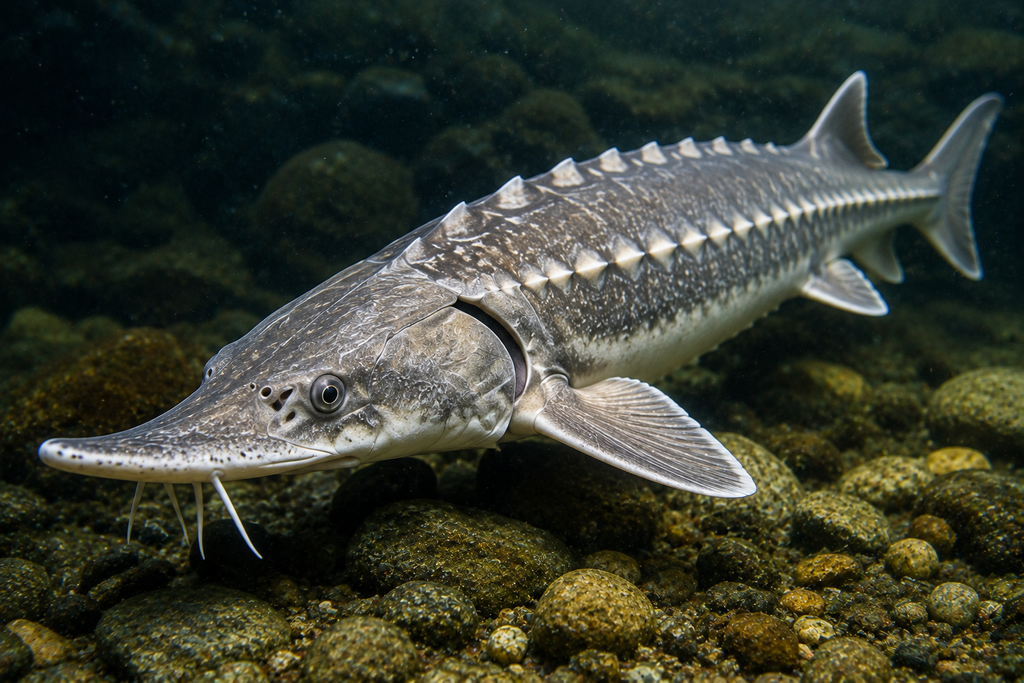
The beluga sturgeon is a massive freshwater fish famous for producing highly valuable caviar. These fish can grow to an impressive size and may live for many decades.
The problem is that they take a long time to mature and reproduce. Overfishing, illegal fishing, dams, pollution, and habitat destruction have put enormous pressure on wild populations.
Dams can be especially harmful because they block the routes sturgeon need to reach their spawning grounds.
Conservation status: Critically Endangered
5. Humphead Wrasse 🌈
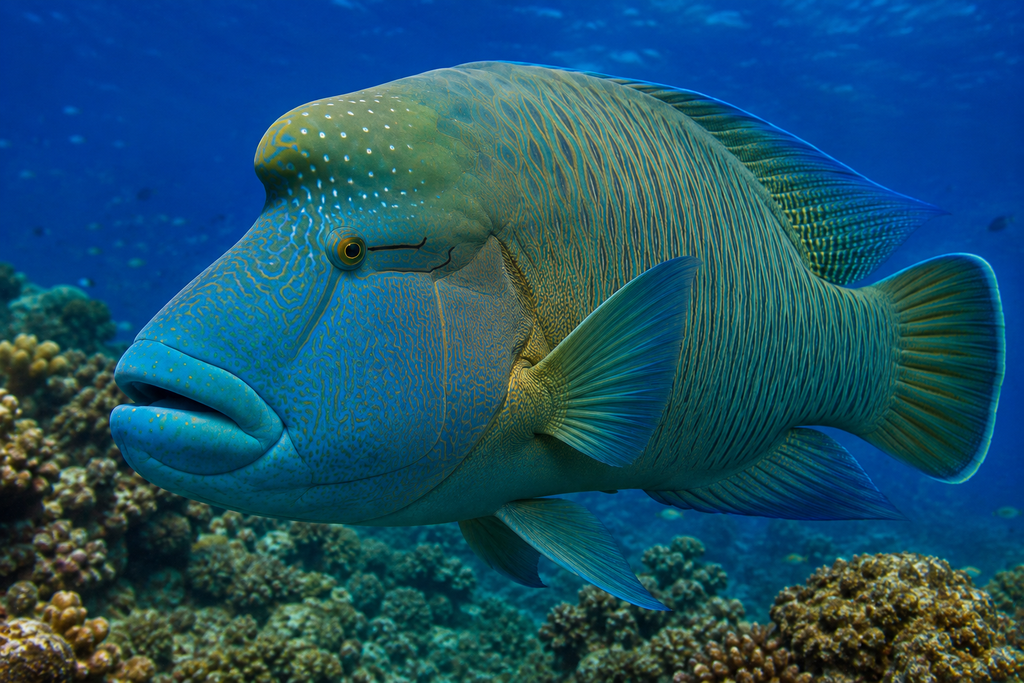
The humphead wrasse is one of the largest reef fish in the world and is easy to recognize because of its thick lips, big body, and colorful appearance.
It plays an important role in coral reef ecosystems by feeding on various marine animals, including species that can be harmful to reefs. Sadly, its large size and high value in the live reef-fish trade have made it a target for fishing.
The species also grows slowly and doesn’t reproduce quickly, making population recovery difficult when too many are removed.
Conservation status: Endangered
6. Sawfish ⚔️
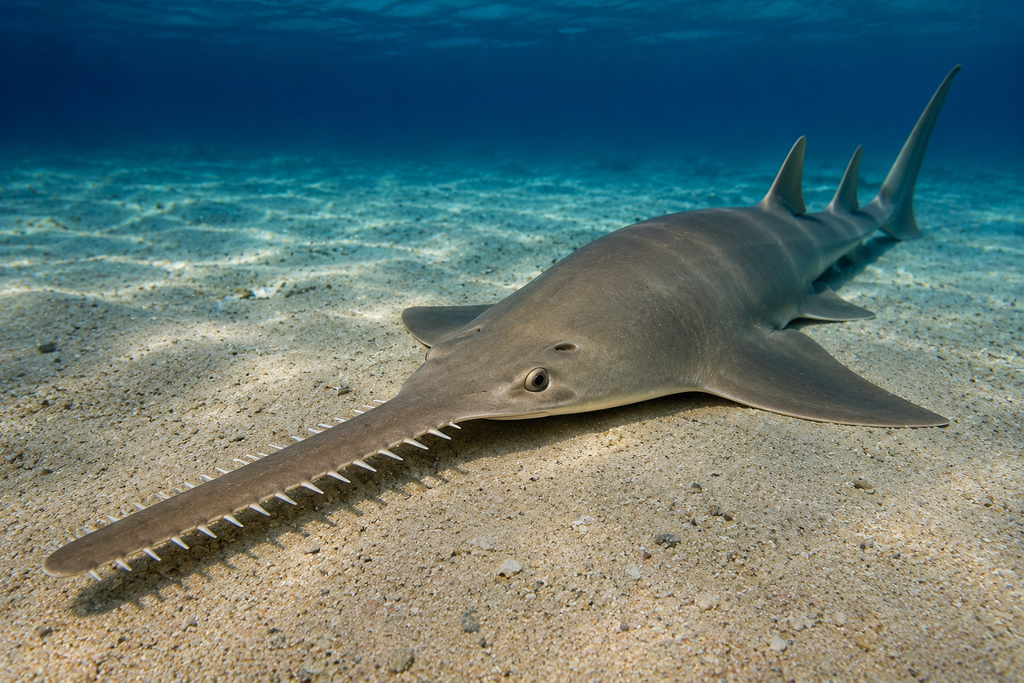
Sawfish look like something from a prehistoric movie thanks to their long, flat snout lined with tooth-like structures called rostral teeth.
They use this unusual snout to help find and catch prey. Sawfish can live in coastal waters, estuaries, and some freshwater environments depending on the species.
One of their biggest problems is getting accidentally trapped in fishing nets and other fishing gear. Habitat destruction and coastal development have also reduced important areas where they live and reproduce.
Several sawfish species are now Critically Endangered, making them some of the most threatened fish-like animals on the planet.
7. Nassau Grouper 🪸
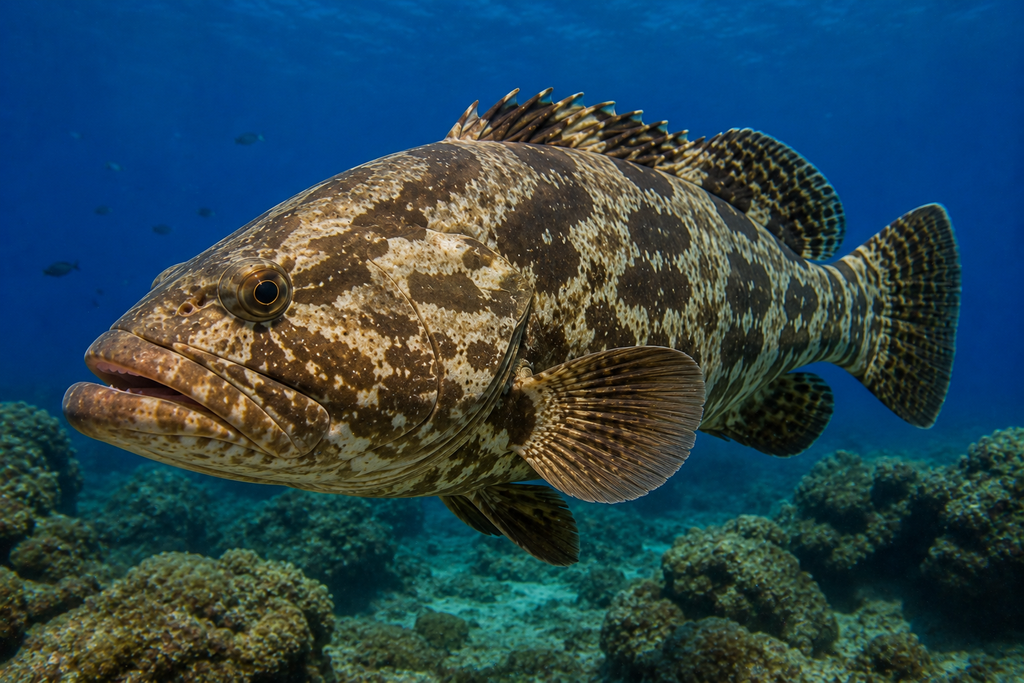
The Nassau grouper is a beautiful reef fish found around parts of the Caribbean and western Atlantic. It can change color depending on its surroundings and behavior.
One of the biggest problems for this species is overfishing, especially when large numbers gather together to spawn. These spawning groups make the fish much easier for fishermen to catch in large numbers.
Protecting their spawning sites and controlling fishing pressure are important steps toward helping Nassau grouper populations recover.
Conservation status: Critically Endangered
8. Ganges Shark 🌊
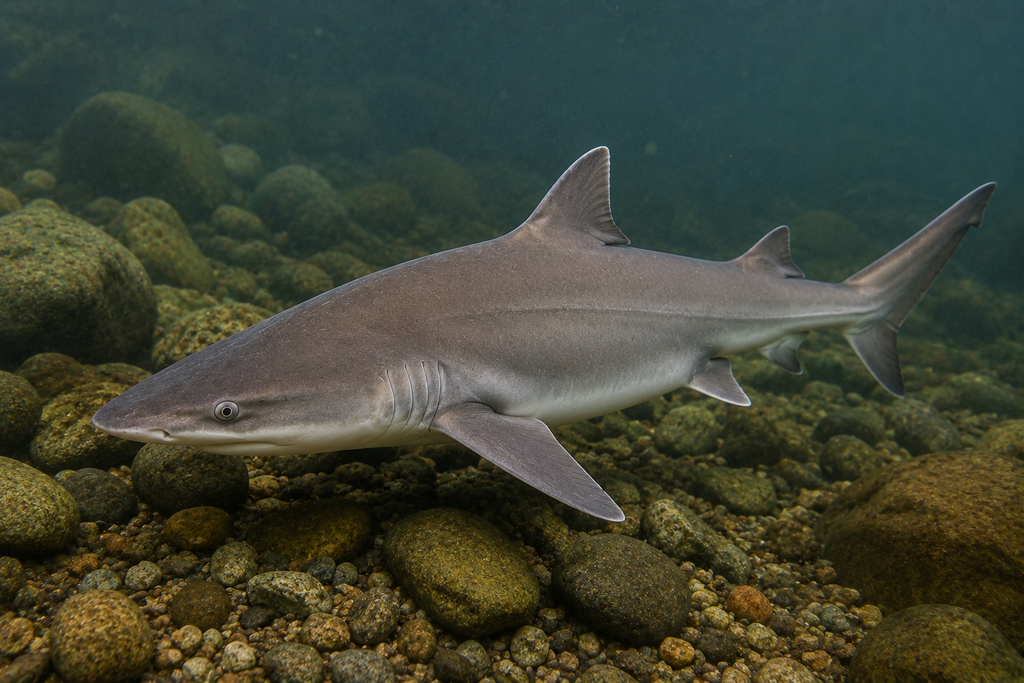
Yep, sharks can live in rivers too! The Ganges shark is a rare shark associated with freshwater and coastal waters in South Asia.
It’s often confused with other river sharks because several species have similar appearances. Unfortunately, very little is known about some populations because these sharks are extremely rare.
Fishing, habitat degradation, pollution, and changes to river systems are major concerns. As rivers become more developed and polluted, these rare sharks have fewer suitable places to survive.
Conservation status: Critically Endangered
9. Red Handfish 🐟
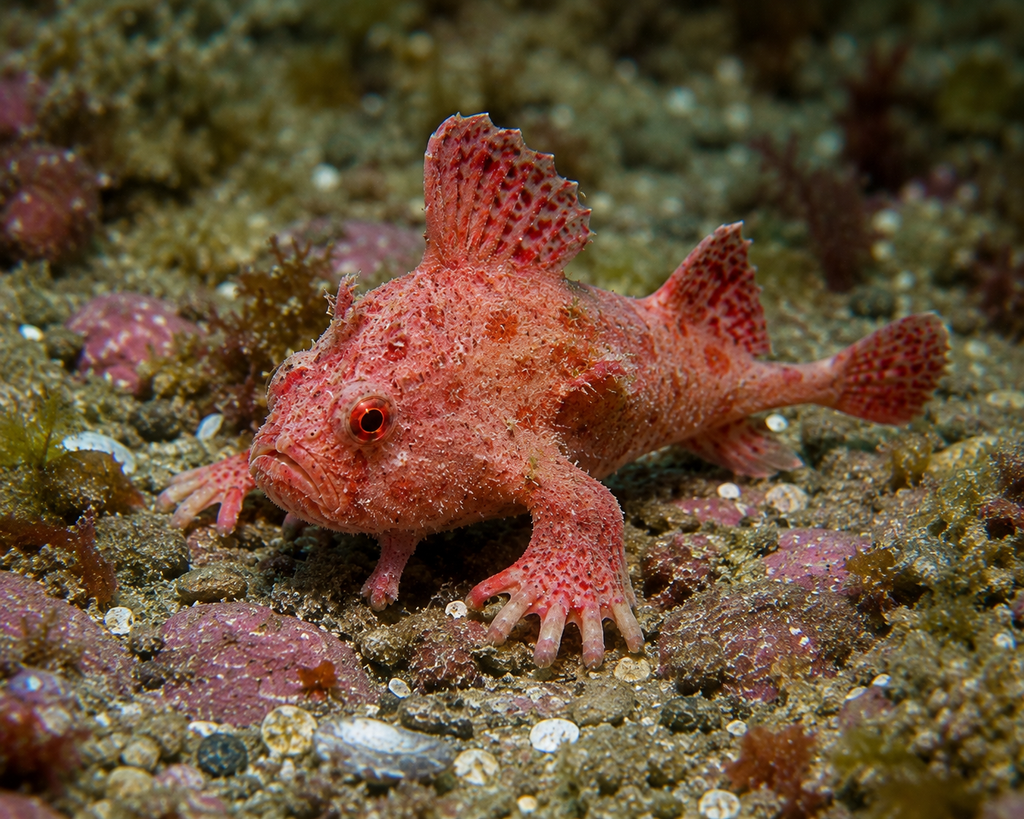
This tiny fish is seriously weird in the coolest way possible. Instead of swimming around normally, the red handfish can “walk” along the seafloor using its modified fins.
Found around Tasmania, Australia, this little fish has an extremely limited range. That makes it especially vulnerable to changes in its habitat.
Pollution, habitat disturbance, and damage to the seafloor can create major problems for such a small and rare species. With so few individuals left, every single population matters.
Conservation status: Critically Endangered
Why Does It Matter? 🌍
Fish are a huge part of healthy oceans, rivers, lakes, and coral reefs. They help maintain food webs, move nutrients through ecosystems, and provide food for countless other animals.
When fish populations crash, the effects don’t always stop with that one species. The entire ecosystem can feel the impact.
The good news? Conservation can work. Protecting important habitats, reducing overfishing, improving fishing practices, protecting spawning areas, and making sustainable choices can give these incredible animals a fighting chance.
Final Thoughts 🐠
From the world’s biggest fish the whale shark to the tiny red handfish, endangered fish come in all shapes and sizes. Some are threatened by fishing, while others are struggling because their habitats are disappearing or changing.
These fish aren’t just interesting creatures. They’re an important part of our planet’s aquatic ecosystems.
So next time you see a fish, remember there’s a whole underwater world worth protecting. 🌊🐠