

 By
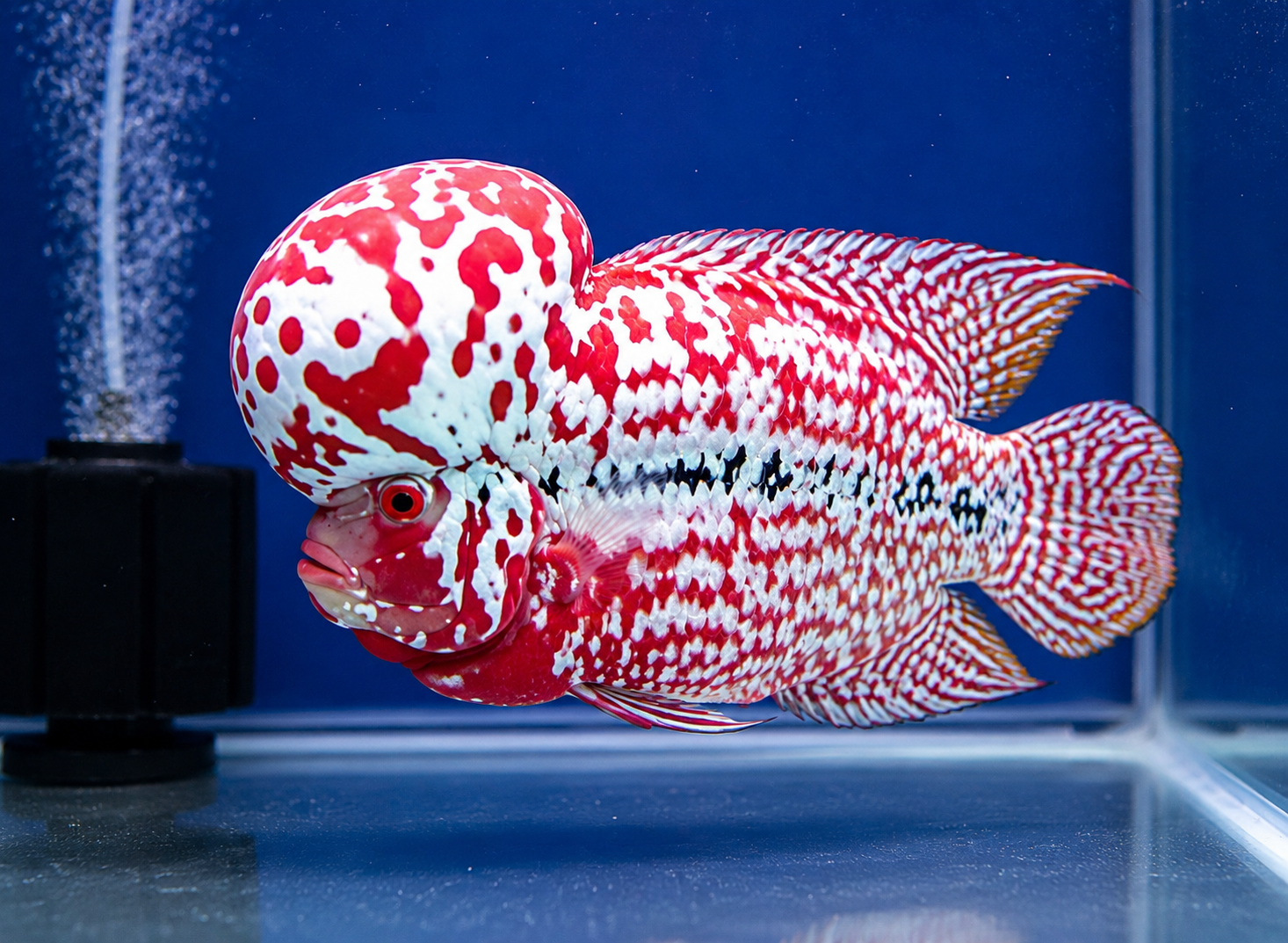
By Flowerhorn fish are one of those aquarium fish that you either instantly fall in love with or can’t stop staring at. With their bright colors, unique body shape, and famous “kok” on the head, Flowerhorns definitely stand out.
But here’s the deal: Flowerhorns aren’t beginner fish that you can just drop into any tank and forget about. They need the right tank setup, clean water, good food, and plenty of space to stay healthy.
If you’re thinking about keeping one, here’s everything you need to know.
🐟 What Is a Flowerhorn Fish?
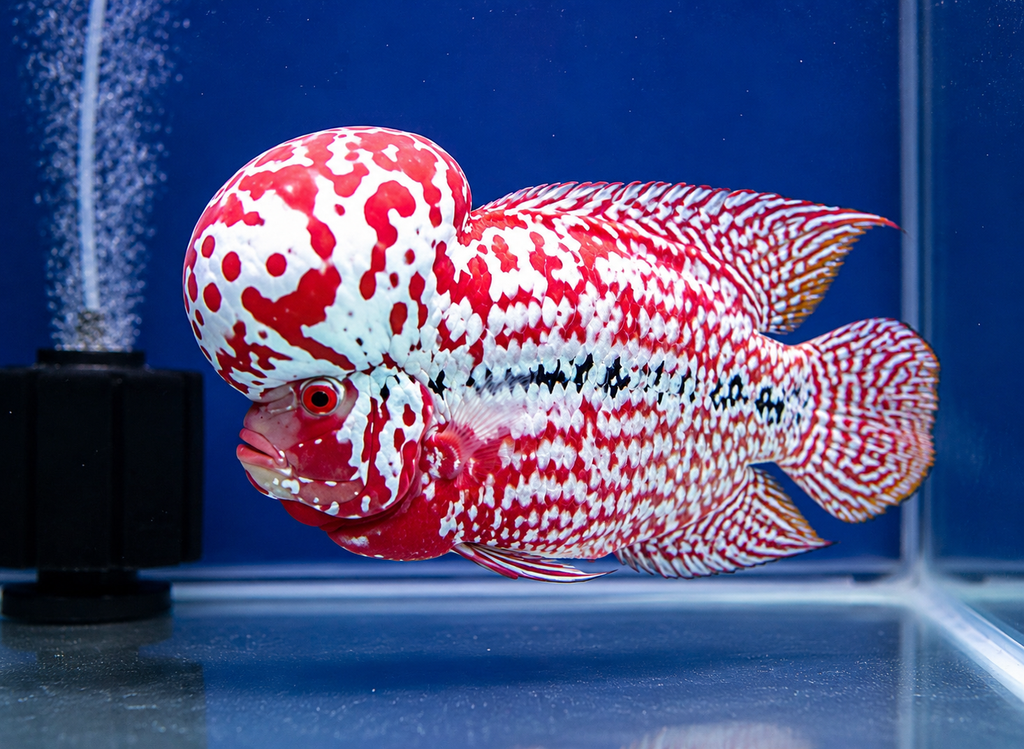
Flowerhorns are man-made hybrid cichlids developed through selective breeding. They’re especially popular because of their colorful bodies, large head hump, and bold personality.
They come in different varieties and color patterns, including Red Dragon, Kamfa, Golden Base, and many other strains.
One cool thing about Flowerhorns is that their appearance can change as they grow. Their colors, patterns, and head shape may become more impressive with age.
🏠 How Big of a Tank Does a Flowerhorn Need?
Flowerhorns get pretty big, so don’t try to squeeze one into a small aquarium.
For one adult Flowerhorn, a tank around 75 gallons (284 liters) or larger is a much better choice. Bigger is even better if you have the space.
A good setup should include:
- Plenty of open swimming space
- Strong filtration
- A secure lid
- Good water circulation
- Smooth decorations that won’t hurt the fish
Flowerhorns can also be aggressive and territorial, so keeping one alone is usually the safest option.
💧 Water Quality Matters A Lot
Flowerhorns are messy eaters and produce plenty of waste. That means your aquarium can get dirty quickly if your filtration and maintenance aren’t up to the job.
Aim for: - Temperature: around 78–86°F (26–30°C)
- pH: roughly 7.0–8.0
- Ammonia: 0 ppm
- Nitrite: 0 ppm
- Nitrate: preferably kept relatively low
Always use a dechlorinator when adding tap water.
Regular water changes are also important. A weekly water change of around 20–30% is a good starting point, although the exact amount depends on your tank, filtration, feeding, and water test results.
And yeah, don’t just guess your water quality. Test it.
🍤 What Should You Feed a Flowerhorn?
Flowerhorns have a big appetite, but that doesn’t mean you should keep throwing food into the tank.
A quality cichlid pellet should be the main part of their diet. You can also offer suitable frozen or prepared foods as occasional variety.
Good options include: - High quality cichlid pellets
- Frozen foods such as krill or shrimp
- Other suitable protein-rich foods
Feed small portions that your Flowerhorn can finish within a few minutes.
Overfeeding = extra waste + poor water quality + possible health problems.
So don’t go crazy with the food just because your fish acts like it’s starving. Flowerhorns are pros at begging for another meal. 😄
😤 Are Flowerhorns Aggressive?
Yep, Flowerhorns can be very aggressive and territorial.
They may attack other fish, especially in a smaller aquarium. Even fish that seem like good tank mates can end up getting seriously injured.
For that reason, many aquarists choose to keep Flowerhorns alone in their own tank.
If you really want a community aquarium, a Flowerhorn usually isn’t the best choice.
🧬 Can Flowerhorns Be Bred?
Yes, Flowerhorns can be bred, but breeding them isn’t exactly a walk in the park.
Males are often infertile depending on the strain, while females are generally more likely to be fertile. Compatibility can also be a serious issue because Flowerhorns can become extremely aggressive toward potential mates.
If you’re trying to breed them, you’ll need a carefully planned setup and a way to separate the fish if fighting starts.
❤️ How Do You Keep a Flowerhorn Healthy?
Good care comes down to the basics:
Clean water + proper food + enough space + stable temperature + low stress.
Watch your fish every day. Look for changes such as:
- Not eating
- Hiding more than usual
- Clamped fins
- White spots
- Unusual swimming
- Rapid breathing
- Loss of color
- Swollen belly or abnormal appearance
If something looks off, check your water parameters first. Poor water quality is one of the most common problems in home aquariums.
🌸 Final Thoughts
Flowerhorns are beautiful, intelligent, and full of personality. But they’re also large, messy, territorial fish that need proper care.
If you can provide a spacious aquarium, strong filtration, clean water, a quality diet, and the right environment, a Flowerhorn can become an amazing centerpiece fish.
Just remember: don’t choose a Flowerhorn because it looks cool choose one only if you’re ready for the responsibility that comes with keeping it. 🐟❤️