

 By
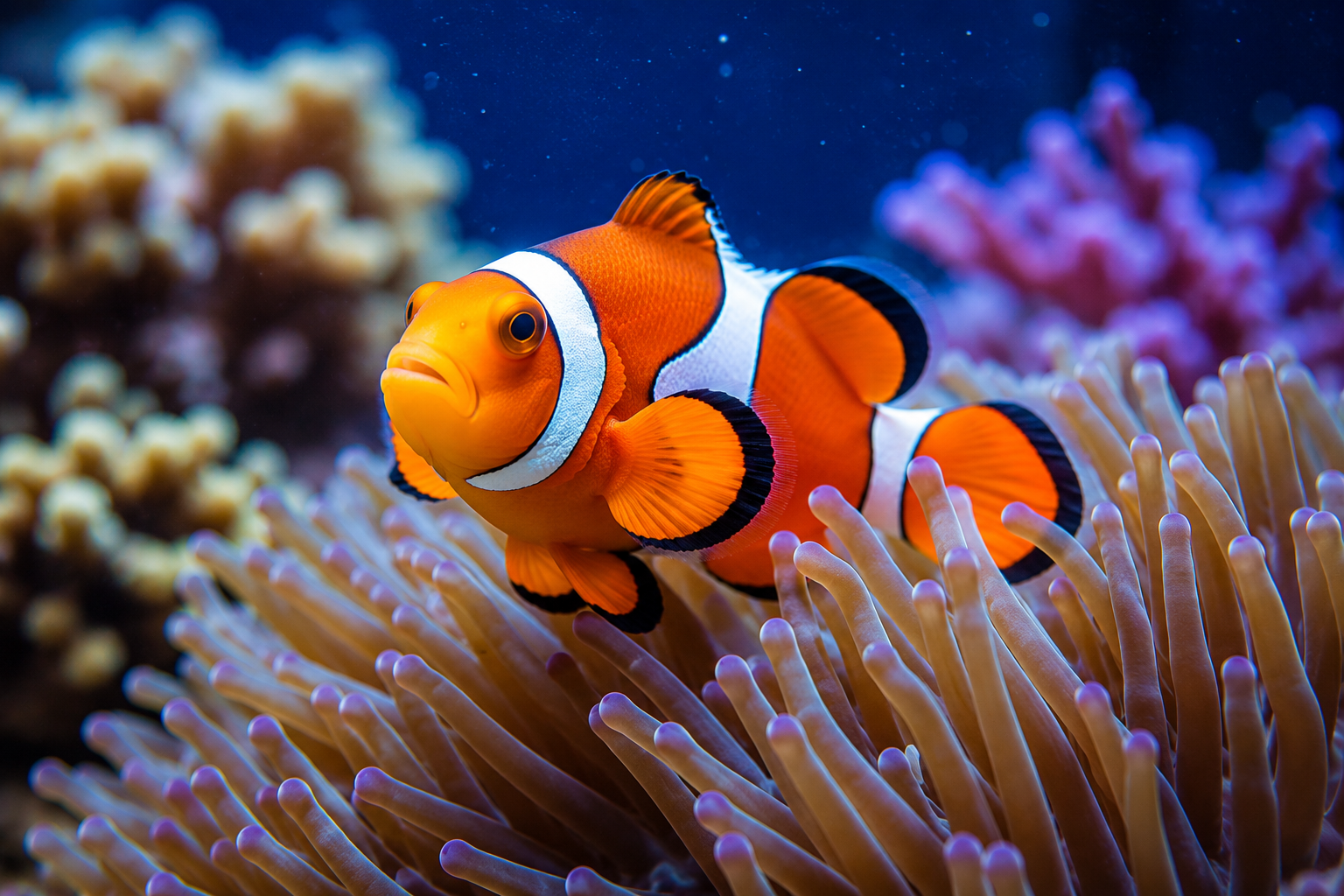
By You probably know clownfish as the cute orange fish from Finding Nemo. But here’s the crazy part: clownfish can actually change sex during their lifetime. 😮
Yep, it sounds wild, but it’s totally real. And the reason behind it is even more interesting.
Let’s break it down.
🐠 Clownfish Start Out as Males
Clownfish have a pretty unusual social system.
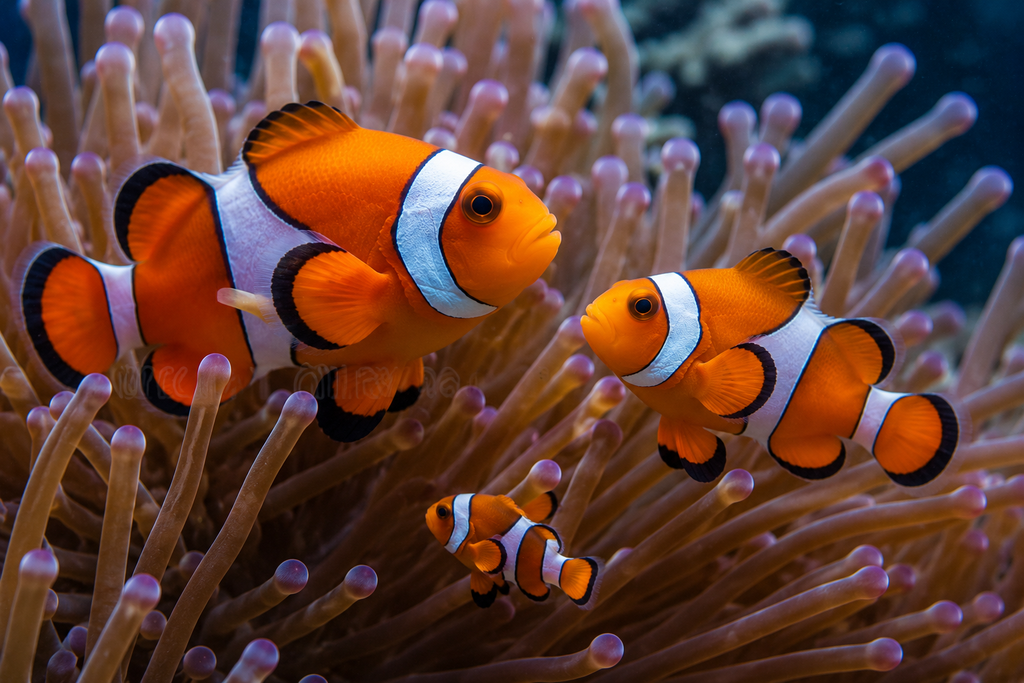
They usually live in small groups around a sea anemone. There’s basically a pecking order, and size matters.
The group normally has:
👑 One large female – she’s the boss.
🐟 One breeding male – usually the second-largest fish.
🐠 Several smaller fish – they don’t breed while the top spots are taken.
Here’s where things get crazy: clownfish begin life as males.
As they grow, their role in the group can change depending on what’s happening around them.
🔄 What Happens If the Female Dies?
Imagine the biggest female suddenly disappears.
You might think the group needs to find another female. Nope.
Instead, the breeding male changes sex and becomes the new female.
At the same time, the biggest remaining juvenile moves up and becomes the new breeding male.
It’s basically an underwater promotion system. 😂
Female dies → breeding male becomes female → next-largest fish becomes the new male.
Nature really said, “We’ve got this covered.”
🧬 How Can a Fish Change Sex?😮
Don’t picture the fish waking up one morning and magically becoming female.
The process happens gradually through changes in the fish’s hormones, behavior, and reproductive organs.
When the dominant female is gone, the breeding male starts changing. Its male reproductive system becomes less active, while female reproductive tissue develops.
Eventually, the fish becomes a fully functioning female that can produce eggs.
Scientists call this protandrous hermaphroditism.
In simple terms:
Male first → Female later.
Pretty freaking cool, right? 🐠
👑 Why Does the Biggest Fish Become Female?
For clownfish, size is a big deal.
The largest fish is usually the dominant female, while the second-largest is the breeding male.
If the female disappears, the breeding male is already the biggest mature fish left. So it moves into the top spot and begins the sex change process.
Meanwhile, the next largest fish gets the breeding-male position.
It’s an efficient system that helps the group keep reproducing without having to search for a new female.
🪸 And Then There’s the Sea Anemone
Clownfish usually don’t live alone. Many species have a close relationship with sea anemones.
The anemone’s tentacles can sting potential predators, giving the clownfish a pretty awesome hideout.
But clownfish have a special mucus coating that helps protect them from the anemone’s sting.
In return, clownfish can help their host by bringing food, removing debris, and moving water around the anemone.
Basically, they have an underwater roommate deal that works surprisingly well. 😄
🥚 What Happens After the Sex Change?
Once the breeding male becomes female, the next-largest clownfish becomes the breeding male.
The new female can then pair up with that male and eventually lay eggs.
The male usually stays nearby and helps guard and care for the eggs.
This means the group can continue breeding without completely starting over.
That’s a pretty clever survival strategy.
🌊 Where Are Clownfish Found?
Clownfish are native to warm tropical parts of the Indian and Pacific Oceans.
They live around coral reefs, rocky reefs, lagoons, and shallow coastal waters.
Their colorful bodies make them easy to recognize, but their relationship with sea anemones is one of the things that makes them so fascinating.
🤯 Clownfish Facts That’ll Blow Your Mind
🐠 Clownfish can change from male to female.
👑 The largest clownfish is usually the dominant female.
🐟 The second-largest is normally the breeding male.
🔄 If the female dies, the breeding male can become female.
🧬 This natural process is called protandrous hermaphroditism.
🪸 Many clownfish species live closely with sea anemones.
🌊 They live in warm tropical marine environments.
🎬 Finding Nemo helped make clownfish famous worldwide.
🌊 Final Thoughts
Clownfish may be tiny, but their lifestyle is seriously fascinating.
Their ability to change sex, reorganize their social group, and live safely alongside sea anemones makes them one of the coolest fish on the reef.
So the next time you see a clownfish swimming around an anemone, don’t just think, “Hey, it’s Nemo!”
You’re looking at a fish with one of the wildest social systems in the ocean. 🐠🪸🌊