

 By
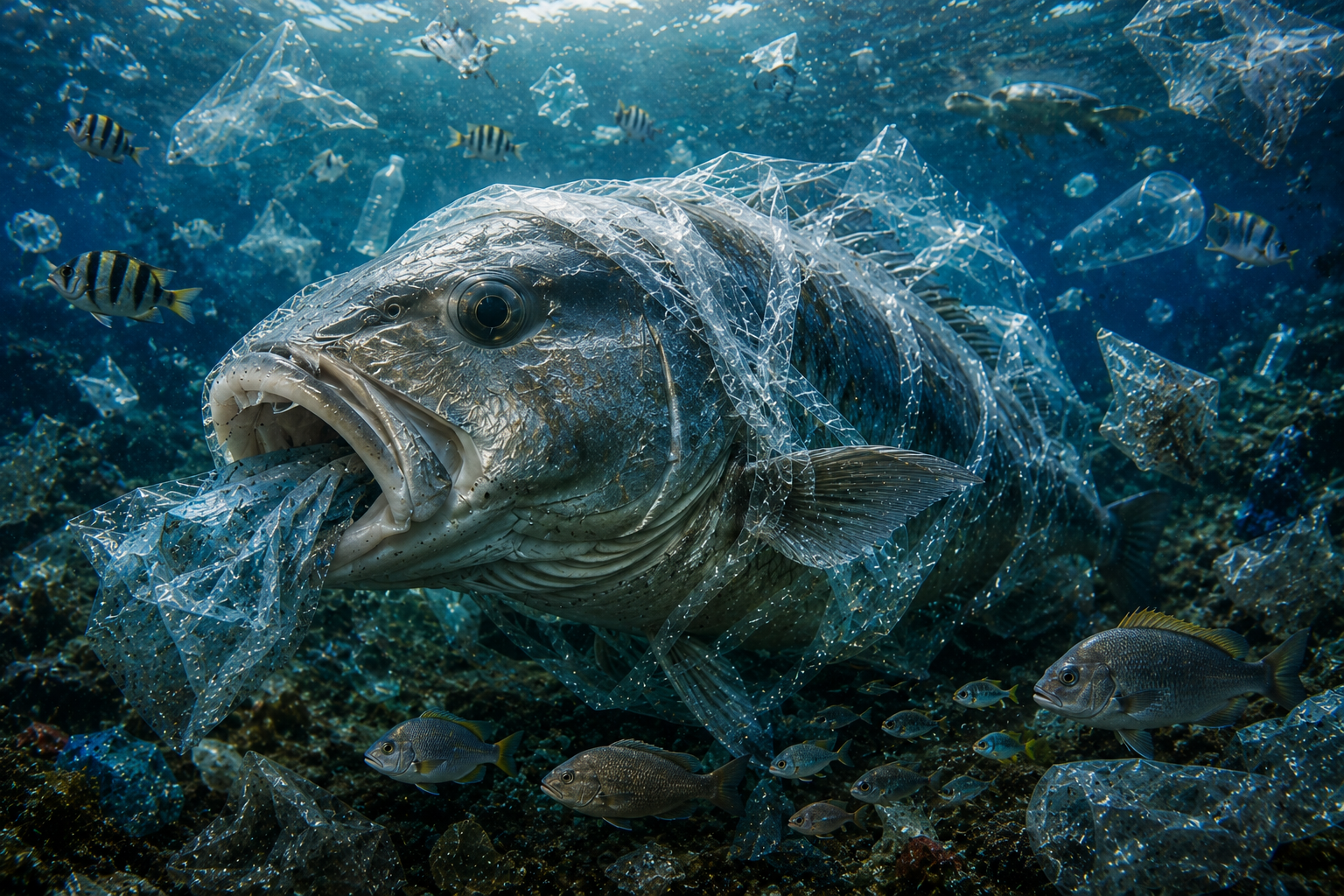
By Plastic pollution is everywhere from streets and rivers to beaches and oceans. When plastic reaches the water, it can seriously harm fish and other aquatic life.
🐟 How Does Plastic Get Into the Water?
Much of the plastic in our oceans starts on land. Bags, bottles, food wrappers, fishing gear, and other waste can be carried by wind and rain into drains, rivers, lakes, and eventually the ocean.
As plastic breaks down, it can turn into microplastics—tiny particles that spread through water and enter the aquatic food chain.
🍽️ Fish Can Mistake Plastic for Food
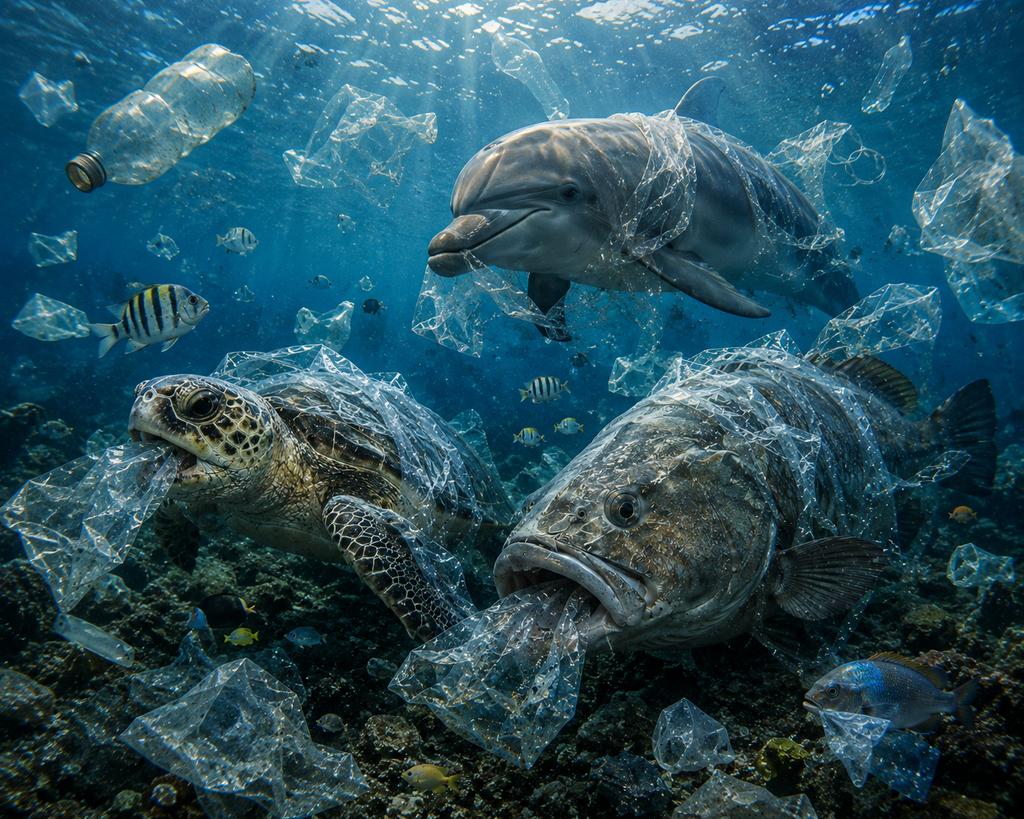
Fish may mistake small pieces of plastic for food. After swallowing it, plastic can take up space in the stomach, cause injuries, and prevent fish from getting the nutrition they need.
Microplastics can also be eaten by smaller aquatic animals and move through the food chain as larger animals eat them.
🐢 Plastic Can Trap Aquatic Animals
Plastic waste isn’t only a problem when it’s eaten. Fishing nets, lines, plastic rings, and other debris can trap fish, turtles, seals, and seabirds.
Getting tangled can make it difficult for animals to swim, feed, escape predators, or survive.
🌊 Plastic Damages Aquatic Ecosystems
Plastic pollution can damage habitats such as coral reefs, coastal areas, and the ocean floor. Microplastics can also build up in water and sediment.
This adds even more pressure to aquatic life already dealing with problems like habitat loss, warming waters, and overfishing.
♻️ What Can We Do?
The good news? Small actions can make a difference.
- Use reusable bottles and shopping bags.
- Avoid unnecessary single use plastic.
- Never litter near rivers, lakes, or beaches.
- Dispose of fishing lines and nets properly.
- Join local beach or river cleanups.
- Reduce plastic waste whenever possible.
🐟 Final Thoughts
Plastic pollution isn’t just about trash floating in the ocean. It can be eaten by fish, trap wildlife, damage habitats, and spread through aquatic ecosystems.
We might not be able to fix the whole problem overnight, but we can stop adding to it. Every bottle reused, every piece of trash picked up, and every plastic item avoided helps protect the aquatic world we love. 🌊🐟♻️