

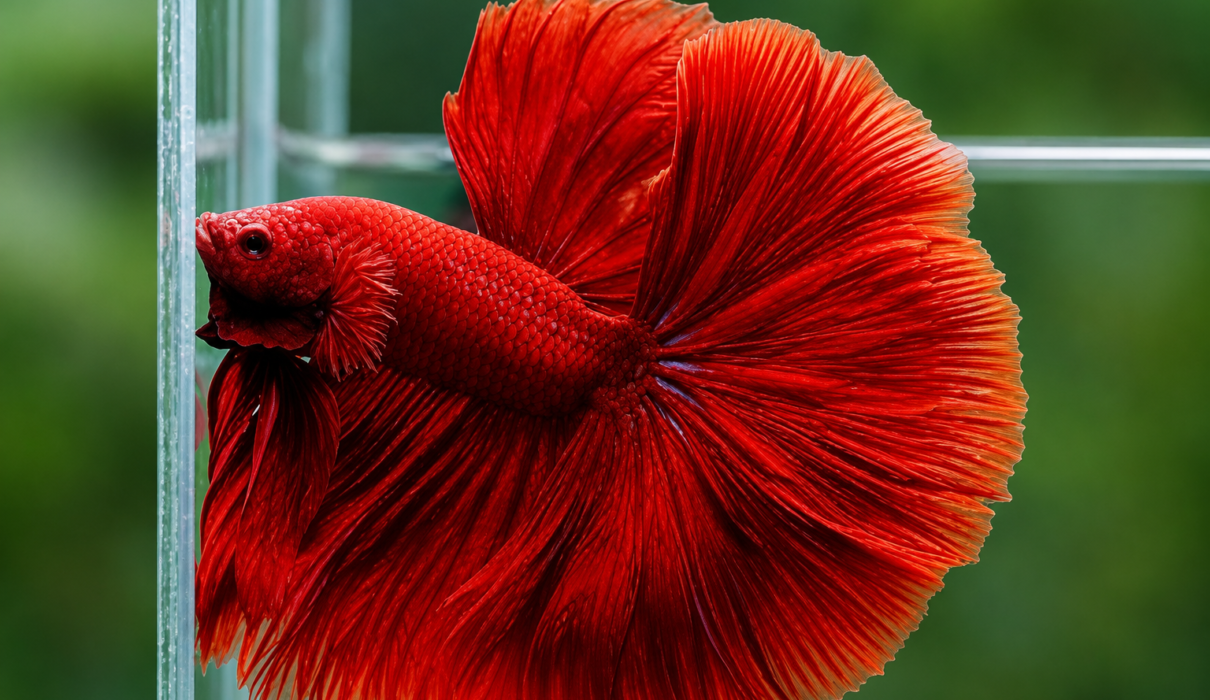
 By
By Betta fish are one of the most popular aquarium fish around, and honestly, it’s easy to see why. They’ve got bright colors, beautiful fins, and a ton of personality. But even though bettas are often sold as “easy” fish, they still need the right setup and care to stay healthy.
If you’re new to betta fish, don’t worry. This guide breaks down the basics in simple, easy-to-understand language.
🐟 Meet the Betta Fish
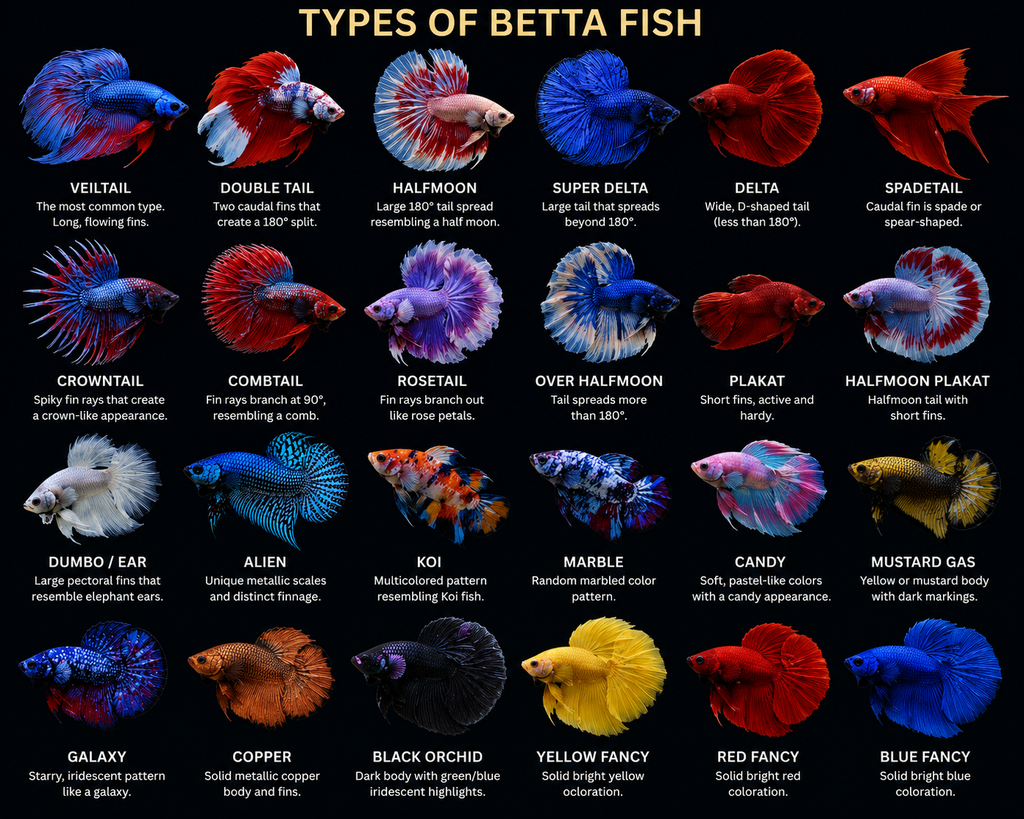
Betta fish (Betta splendens) are freshwater fish native to Southeast Asia. In the wild, they can be found in slow-moving or shallow waters such as rice fields, ponds, and small streams.
They’re also known for being territorial, especially males. That’s why keeping two male bettas together is usually a bad idea they can seriously hurt each other.
🏠 Choosing the Right Tank
One of the biggest beginner mistakes is keeping a betta in a tiny bowl.
A larger tank gives your betta more swimming space and makes it easier to keep the water stable. A 5-gallon tank or larger is a great starting point for one betta.
Make sure the tank has:
A secure lid to prevent jumping
A gentle filter
A heater
Plants or decorations for hiding
Enough open swimming space
Avoid sharp decorations that can tear those fancy fins.
🌡️ Keep the Water Warm
Bettas are tropical fish, so they need warm water. Aim for around 76–80°F (24–27°C).
A reliable aquarium heater and thermometer can make a big difference. Sudden temperature changes can stress your fish and make it more vulnerable to illness.
Also, don’t forget about water quality. Use a good water conditioner whenever you add tap water to the aquarium.
💧 Water Changes Are a Big Deal
Clean water is one of the most important parts of betta care.
Do regular partial water changes instead of completely replacing all the water at once. How often you need to change water depends on your tank size, filtration, stocking, and test results.
It’s a good idea to test the water for:
Ammonia
Nitrite
Nitrate
pH
For a healthy aquarium, ammonia and nitrite should stay at 0 ppm. Keeping nitrate under control is also important.
🍽️ Feeding Your Betta
Bettas are carnivores, so they do best with a quality betta pellet or other protein-rich food.
Feed small portions rather than dumping a bunch of food into the tank. Overfeeding can lead to obesity, constipation, poor water quality, and other problems.
A simple routine is to feed a small amount once or twice a day and remove uneaten food when necessary.
You can also offer occasional treats like frozen or live foods, such as bloodworms or brine shrimp.
Remember: a betta’s stomach is tiny. More food doesn’t mean a healthier fish.
🌿 Plants and Decorations
Adding live plants can make your betta feel more comfortable and give the aquarium a natural look.
Easy options include Anubias, Java fern, and Java moss. Silk plants can also work well if you prefer artificial plants.
Bettas like places to rest and hide, especially near the surface. Just make sure everything inside the tank is smooth and safe.
🧪 Tank Cycling: Don’t Skip It
Before adding your betta, the aquarium should ideally be cycled.
A cycled aquarium has beneficial bacteria that help break down toxic fish waste. Without this biological filtration, ammonia and nitrite can build up and harm your fish.
Cycling a new tank takes time, so patience is key. Test your water regularly and make sure the aquarium is ready before introducing your betta.
🩺 Common Betta Health Problems
Even with good care, bettas can sometimes get sick.
Keep an eye out for signs such as:
Loss of appetite
Clamped or damaged fins
White spots
Unusual swimming
Staying at the bottom for long periods
Rapid breathing
Swollen body
Sudden color changes
The best approach is to check your water parameters first. Poor water quality is a common cause of stress and health problems in aquarium fish.
🐠 Can Bettas Live With Other Fish?
Sometimes, yes but it depends on the individual betta and the tank setup.
A peaceful, appropriately stocked community aquarium can work with some bettas, but there are no guarantees. Avoid aggressive fish, fin-nippers, and species that may compete heavily with your betta.
Always research compatibility before adding tank mates.
❤️ Final Thoughts
Taking care of a betta fish isn’t complicated once you understand the basics. Give your betta a properly sized tank, warm and clean water, good food, hiding spots, and regular maintenance, and you’re already on the right track.
The biggest tip? Don’t just keep a betta alive give it a setup where it can actually thrive.
With a little patience and consistency, your betta can become more than just a colorful fish in a tank. It can be a fascinating little personality that you’ll enjoy watching every day.
Healthy water + proper food + the right environment = a happy betta. 🐠💙